How to bake with dark, guilt-free, sustainable chocolate

lead-image-759.jpg

Locally sourced chocolate is great for your desserts and the environment — Mason’s & Co and Earth Loaf are two brands that make artisanal chocolate in India.

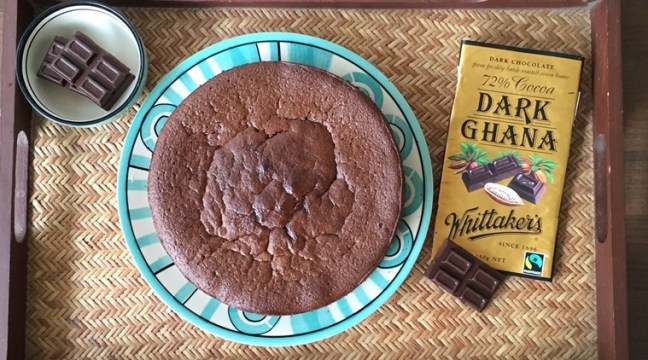
Good quality dark chocolate is a thing of beauty: It smells luscious, tastes of the earth, and is the perfect way to recover from dementor-like moments. So when my friend Maegan Dobson Sippy rang me to share this happy news: “I have got a bar of Whittaker’s Chocolate. Let’s bake with it!”, I agreed in a blink. Given that this was the 72% Ghanaian dark chocolate sourced from Kuapo Kokoo, the first Fairtrade-certified smallholder farmer organisation in West Africa, we knew that we wanted to bake something where the chocolate would be the star. Sippy called up her father in the UK, and being the terrific baker that he is, he recommended a Claudia Roden recipe from her book The Food of Spain.

While we were baking the cake, Maegan’s kitchen smelt like we had been dunked into a cup of the darkest, richest hot chocolate. Without getting scalded that is. In her book, Bread, Wine, Chocolate: The Slow Loss of Foods We Love, Simran Sethi writes, that “In the United States, a bar has to contain at least 10 per cent cocoa mass to be called chocolate”. The author explains that a “standard chocolate bar is typically made up of cocoa mass, sweetener and an emulsifier to improve its texture and consistency. The cocoa percentage listed on a bar indicates the portion of ingredients that come from the bean: cocoa solids and cocoa butter.”

Read the label of your favourite chocolate, look at its composition – is cocoa mass the main ingredient or is it jostling for space with emulsifiers, sugars, milk fats, and artificial flavours? Little wonder that good chocolate elevates your cakes and cookies, and your mood, to the next level.

For most of my chocolate recipes, I am happy to use the cooking chocolate that’s locally available. But I have also used Mason & Co.’s artisanal chocolates from Pondicherry in baking and am quite happy with the result. Likewise, I find that Earth Loaf’s cocao nibs add a pleasing crunch to cookies and granola. And they’re both locally sourced, artisanal chocolate companies.

Chocolate is becoming more precious. According to the Earth Security Group, Ghana and Côte d’Ivoire provide 60% of the world’s cocoa. As temperatures soar because of climate change, farmers are finding it harder to grow cacao in conditions that are too hot and arid. The Guardian reported that with little livelihood security, cacao farmers in Africa, for instance, are switching to other crops. And while we continue to love our chocolate bars, at the same time it is projected that the demand will soon be more than supply. We will reach peak chocolate in just four years.

The author visited Joy VT's cocoa farm near Kelakam in Kannur as part of Fair Trade Alliance Kerala. Pictured is a cocoa pod. You know a cocoa pod is mature when it turns yellow. The pods are harvested and split open and this is where your chocolate comes from. (Photo: Bijal Vachharajani)

The author visited Joy VT’s cocoa farm near Kelakam in Kannur as part of Fair Trade Alliance Kerala. Pictured is a cocoa pod. You know a cocoa pod is mature when it turns yellow. The pods are harvested and split open and this is where your chocolate comes from.

Some of the cacao producers of Kuapo Kokoo have adopted agroforestry systems to preserve soil fertility, instead of practising monoculture, the way most cacao beans are grown in Ghana. Of course, this is one climate adaptation method. But there’s so much more to do.

As Sethi writes, “I don’t eat expensive chocolate to be fancy or waste money; I eat it because I want to support the chocolate makers and farmers dedicated to sustaining diverse and delicious chocolate. I eat it because the best versions of this are like nothing else. And I eat it because I don’t want my joy to come at the expense of someone else’s misery.”

As a consumer, if you’re buying chocolate, try and buy one that is special, made with fairly sourced ingredients that are grown in a way that’s ecologically and economically viable, and with a sustainable story behind it. And then savour it.

Ingredients
(Adapted from Claudia Roden’s The Food of Spain)

150g- Dark, good quality chocolate, we used Whittaker’s Ghana Fairtrade chocolate
2 tbsp- Water
150g- Unsalted butter, cut into pieces
4- Large eggs, separated
100g- Caster sugar
100g- Ground almonds
1 tsp- Baking powder
4 tbsp- Rum, we used Old Monk

Method
*Preheat the oven to 160 C/ 320F.

*Heat water in a pot and place another pan on top of it, without the bottom touching the water. Melt the chocolate with the water. Add butter.

*Once the butter melts and you have a lovely shiny mixture, remove from heat. You can also do this in a microwave.

*In a bowl, beat the egg yolks with sugar. Add ground almonds, baking powder, and rum and whisk until well-mixed. Add the chocolate mixture and beat until it becomes a smooth batter.

*Using an electric whisk, beat the egg whites until stiff and fold gently into the chocolate batter. Bake for 35 minutes.
 

– See more at: http://indianexpress.com/article/lifestyle/food-wine/how-to-bake-with-dark-guilt-free-sustainable-chocolate-2800748/#sthash.yOYJIh1y.dpuf

Bake this fragrant rose apple frangipane tart this weekend

img_9800.jpg

Panneerale folded in almond cream makes for a delicate dessert that’s nothing like you’ve ever tasted.

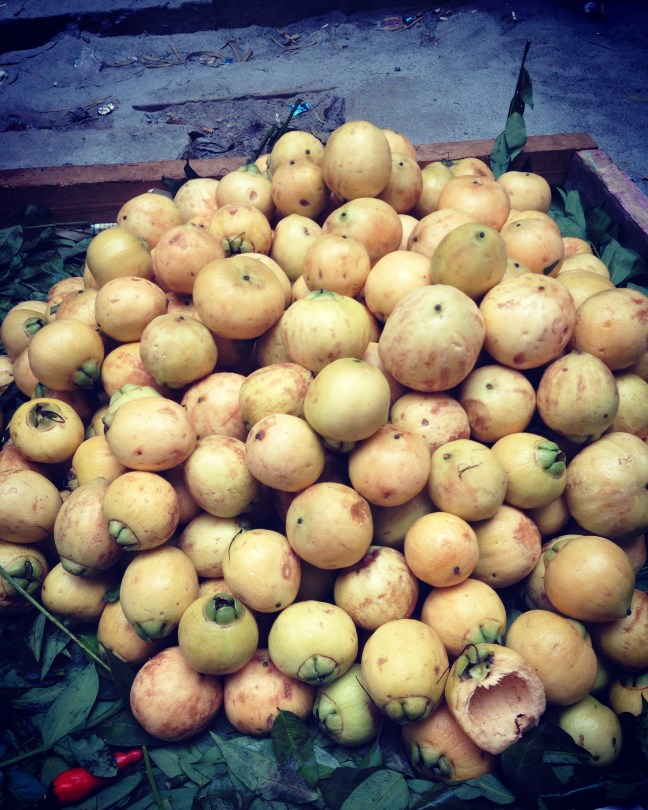
“Panneer,” the fruit vendor said, pointing to a mound of pale green spheres on his cart.
“Guava?” I asked.
“Na, Na, panneer.”

IMG_9776

My curiosity got the better of me and I ended up buying a quarter kilo of panneer. Shake the fruit and it sounds hollow, the seed rattling within its core. They were still unripe, so I circulated a photo on Twitter, and suggestions poured in – raw kokum, guava, yellow mangosteen.

It was writer Mahesh Rao who identified the fruit correctly as Syzygium jambosor rose apple. He also told me that in Kannada, the fruit is called “panneer” or “pannerale”. Just then writer Srinath Perur tweeted to say that the fruit is a “delight” and it gets “sweeter and rosier as it ripens”. Clearly, Karnataka-based writers know their fruits.

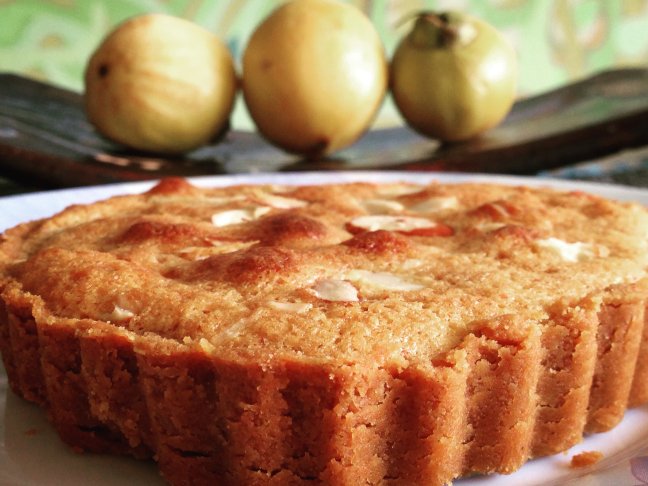
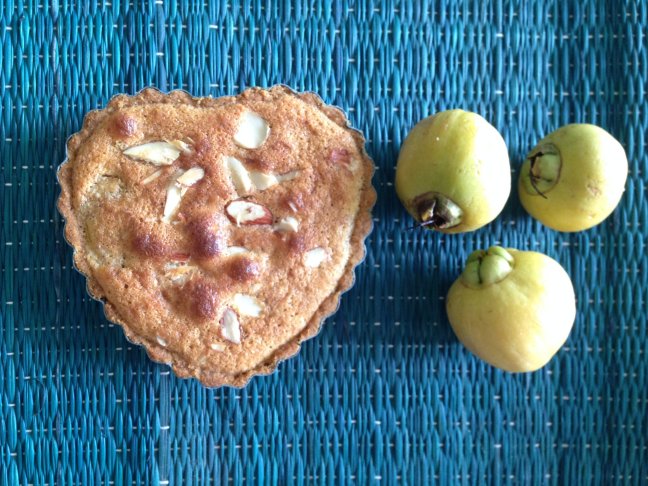
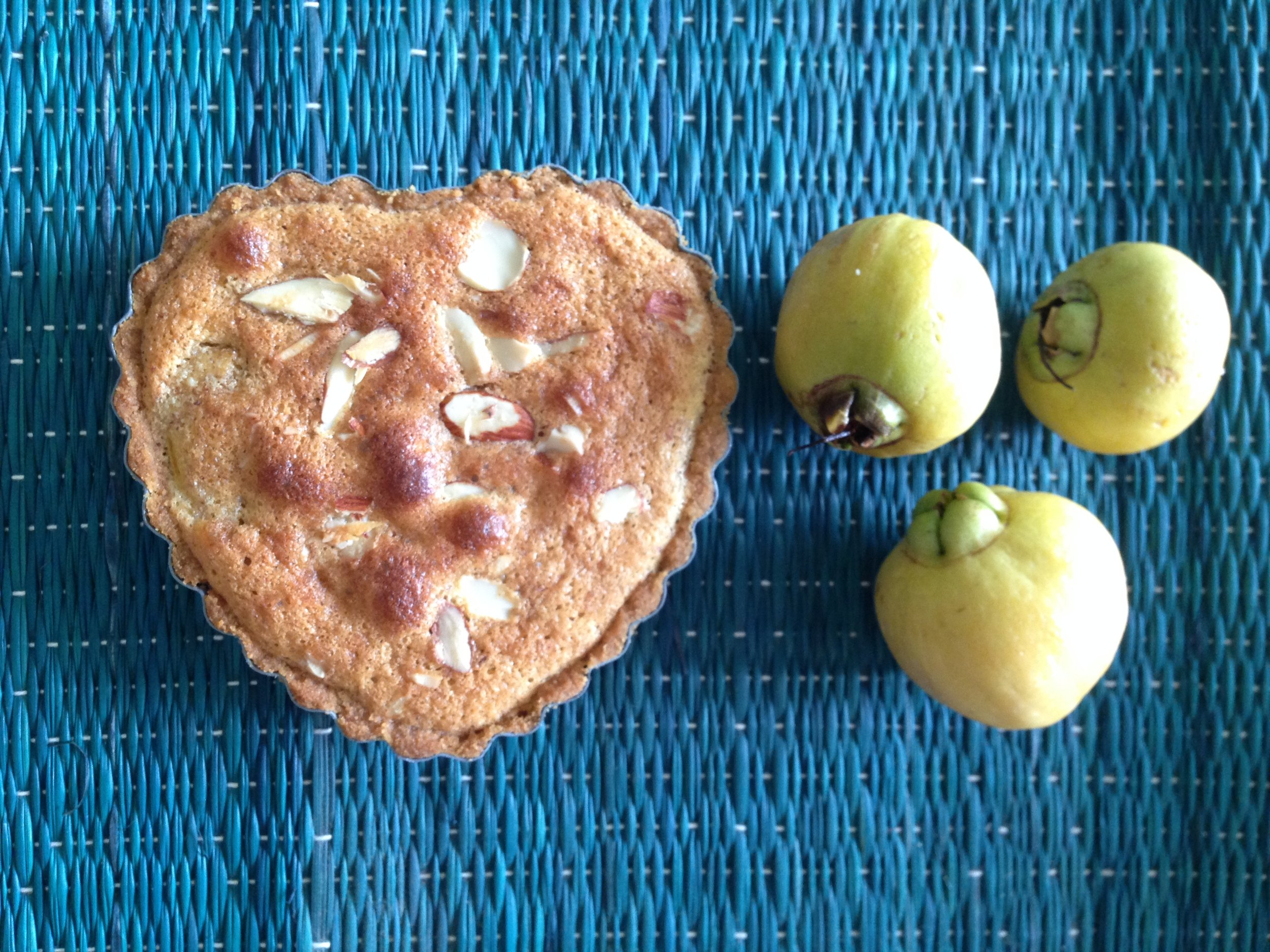
So I waited for a few days for the jambos to ripen. I sliced open a ripe panneer, and the alluring, delicate fragrance of roses enveloped me. I could only think of folding it with some frangipane or almond cream and baking it as a tart. And that’s exactly what I did. I used a Mary Berry recipe for this. The result was a spongy, crumbly tart, redolent of roses and almonds. (Adapted from bbc.in/24DpbIY)

IMG_9818

Ingredients
250g- Rose apples

For the base
175g- Digestive biscuits
75g- Butter

For the filling
75g- Butter at room temperature
75g- Fairtrade caster sugar
2- Free range eggs
75g- Ground almonds
1 tsp- Almond extract

Method
For the base
* Melt butter and keep aside.

* Crumble the digestive biscuits in a mixer until they become fine crumbs.

* Add the melted butter and mix well.

* Put the mix into your tart/ pie tin and spread evenly on to the base and the sides.

* Use a steel katori to even out the mixture.

* Place it in the fridge to chill.

For the filling
* Beat the cream, butter and sugar until light and fluffy.

* Add the eggs and beat for a minute.

* Add the ground almonds and almond extract and mix well.

* You can replace the extract with vanilla, but the flavour will be less intense.

Putting together the tart
* Preheat the oven to 180C/ 350F.

* Cut off the ends of the rose apples.

* You can cut thin slices or thin rings.

* Arrange these over the biscuit base.

* Now spoon the almond cream/ frangipane filling on top evenly.

* If you like, you can top it with almond flakes or shredded almonds.

* Bake for 20 minutes or until the frangipane is nutty brown and set.

* Serve warm with ice cream.

– See more at: http://indianexpress.com/article/lifestyle/food-wine/bake-this-fragrant-rose-apple-frangipane-tart-this-weekend-2789289/#sthash.9O77mLYu.dpuf

Stop the ‘Kissa Quinoa, Couscous aur Kale ka’, and switch to rajgira or millet instead

img_9816.jpg

The growing demand for quinoa in India and across the world is gravely affecting communities in South America and Mexico. But there are some signs of hope yet.
The first time I came across quinoa was five years ago, when a Bolivian friend cooked it for us in Costa Rica. Until then, I had only read about quinoa on international food websites. As I inspected the traditional Andes super crop, I noticed how the quinoa looked like translucent flat beads, each grain fluffy and distinct. It reminded me of the broken wheat khichdi we eat at home, and my friend Stephanie Weiss and I began exchanging notes on prep methods. I ended the conversation by saying that I couldn’t wait to tell my friends back home that I had tried this heritage grain.

Little did I know that by the time I returned from studying climate change, like the rest of the world, quinoa would have caught the fancy of hipsters in India. Quinoa burgers, quinoa salads, quinoa what have yous’ were everywhere. People were spending as much as a week’s fruits and vegetables budget in buying quinoa. Not only that, we were scattering Mexican chia seeds over our morning oatmeal and buying tossed kale concoctions from salad bars. All food flown from different parts of the world, piling precious carbon miles onto our plates. In fact, reading restaurant menus was like watching a star-studded film – Kissa Kinoa, Kous Kous aur Kale ka.

According to Stephanie, now an environmental researcher and consultant in Bolivia, as the demand for quinoa spiralled across the world, it led to a change in consumption habits in the places of production, mainly Bolivia and Peru. “It became more profitable to sell quinoa, rather than eat it,” she said. “This has an adverse impact on nutrition and tradition. According to the Bolivian government, only 15 per cent of the quinoa produced in Bolivia is consumed within its borders currently.”

Our eating habits and culinary fads are having a colossal impact on communities in South America. “The craze for quinoa has had a direct impact on the price increase for local markets in recent years. It’s also led to degradation of the fields with declining fertility, increased pests and diseases, lack of respect for natural cycles soil,” says Arafat Espinoza Ortiz, an agronomist in Peru.

Food miles and sustainability aside, our “let’s eat what’s trending” consumption phase has even led to quinoa and chia seeds being grown in India. Often, these are market-driven decisions, sometimes pragmatic or ecological ones. An organic farmer from Amravati, in Maharashtra, shared that they are all disillusioned with cotton and are looking at growing foods that the market wants. “We don’t want to grow cotton,” Rahul Bole said. “Tell us what to grow next, something like baby corn, something that the market likes. The Mumbai market, especially.” Bole’s community is contemplating growing kale or marketing their free-range eggs.

Look at grocery stores and hypermarkets a little carefully the next time: All of them have begun stocking alternatives including bajra idlis mixes, ragi biscuits, and packets of little fox millet. The quinoa trend has fuelled a resurgence in India’s ancient cereal crops – millets. A more sustainable option, millets aren’t thirsty crops like paddy. Rather they are hardy, healthy and versatile when it comes to cooking them.

Also look at menus with a more discerning eye. Restaurants are making local, seasonal, and indigenous fare an integral part of their menu. Gondhoraj lemon, Gobindobhog rice, and moringa leaves prominently feature in the Bangalore-based Toast and Tonic’s menu. Millets of Mewar, in Udaipur, makes Nutella-drenched millet pancakes, aloo tikki and kebabs, while Smoke House Deli has a fabulous health menu with millet risotto and spinach and millet soup. Food companies are also bringing their organic A game to shelves. Bengaluru-based brand Vaathsalya sells ragi popcorn and chocolate ragi malt, while OrgTree makes millet cookies with foxtail and kodo.

Accept food logic. As Somji, an organic and Fairtrade cotton farmer with Chetna Organic in Telangana, put it, “All you city people love to eat rice. We don’t eat that. For us, it’s jowar and makki. We eat the food of our ancestors – millets.” Once you start looking up ingenious foods, you realise how much a part of our diets they are, hipster trends not withstanding. Until now they weren’t cool enough, rather they were something just made in our home kitchens. Gujaratis, for instance, make crisp, delicious puris out of rajgira atta, which is made from the seeds of amaranth. Moringa leaves may have now caught the fancy of international chefs, but we have been cooking them with dal in the south for ages. And then there’s ragi and jowar rotis, hearty and healthy rotis that deserve to be eaten more.

It’s a paradox in many ways – at one end there are concerns about sustainability, food miles and the impact on smallholder farmers; but at the other end of the spectrum, it has created a market for traditional produce. Producers are expanding to newer international markets, compelling them to adopt more ecological, fair trade practices. And chefs and cooks are experimenting with traditional produce, tossing in diversity into our diets. Stephanie dug up a quote from Delgado F and Delgado M, Vivir y comer bien en los Andes Bolivianos: “The importance of quinoa in strengthening food security and sovereignty lies in the traditional uses and customs, recipes and culinary techniques adapted to this grain and inherited by generations”. Which is pretty much what we could do with indigenous foods in India as well – celebrate them by cooking with them – for the farmers, the climate, and for us.


– See more at: http://indianexpress.com/article/lifestyle/food-wine/stop-quinoa-couscous-kale-switch-to-rajgira-or-millet-instead-2780605-foodie/#sthash.VY64hvUs.dpuf

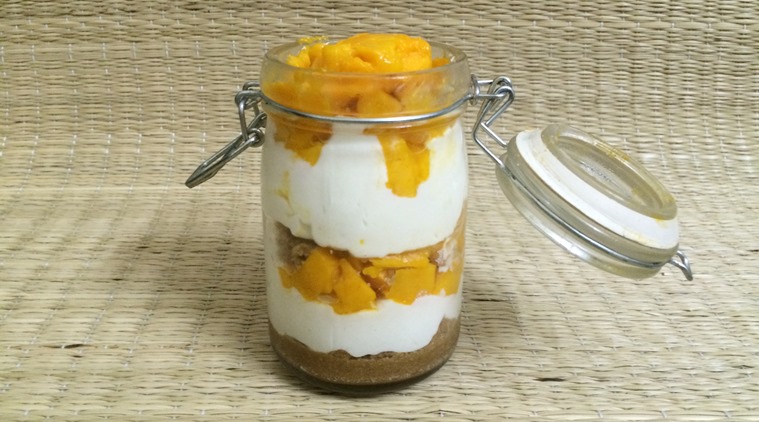
This weekend, make cold mango dessert in a jar

mango-jar-dessert.jpg

This recipe is a piece of cake: No baking, just throw in mango, Mascarpone cheese, ginger biscuit and stick it into the fridge.

While I was studying climate change, one of our professors would come to class with his laptop and a mason jar of water. It wasn’t to stick flowers in, as I discovered. It was his water bottle. As we pored over climate governance case studies, I couldn’t help but wonder about the idea of drinking from a mason jar. Of course now these jars are everywhere – hipsters are chugging cocktails from it, the health conscious are putting salad layers in them, designers are turning them into mini lanterns, and some people still use them to store jam in. There are reasons behind the “rise of the jars”, as this ThinkProgress article explains – from being more economical, ecological conscious, and because it evokes a sense of nostalgia.

Bakers, of course, love these jars, pressing all sorts of desserts into them. From tiramisus to creamy concoctions, everything’s now available in a glass jar. And given that Bengaluru’s going through, what can only be described as extreme weather conditions, I decided it’s time to make desserts in a jar and tuck them into the fridge for SOS it-is-too-hot moments. Because honestly, it is too hot to get close to an oven. Which is why I am thinking sorbets, ice creams, and cold desserts.

I have been trying all sorts of combinations – Greek yoghurt, seeds, and mangoes; Mascarpone cheese, ginger biscuits, and mangoes; ice cream, mangoes, and leftover cake. I am guessing you can see a pattern there – mangoes. Maybe I should say fruit, but really it’s been mangoes that have been going into the jars, but you can use whatever fruit is in season. And the best thing is it really doesn’t need exact measurements – you can add more fruit, more yoghurt, more cheese, depending on what you feel like. Or what the weather allows.

Ingredients
For the filling
70g- Mascarpone cheese
70g- Cream cheese (Britannia has an Indian one now)
20g- Fairtrade castor sugar
1/8tsp- Vanilla extract
1 to 2- Mangoes
1- Jar (let us not forget the jar)

For the biscuit layer
½ packet- Ginger biscuits
2 tbsp- Melted butter

Method
* Blitz the biscuits in a blender until fine.

* Mix the crumbs with melted butter until it can come together to form a ball when you squeeze it.

* Layer the bottom of the jar with the biscuit-butter dough. It can be about a centimeter thick.

* The ginger, you will find, goes very well with the mango. Don’t pack it down, else it will stick to the bottom and freeze. Stick the jar into the fridge.

* Using a hand-held mixer, whisk the Mascarpone and cream cheeses along with the sugar.

* Make sure there are no lumps in the batter. Now add vanilla extract and give it one more whizz. You could add a smidgen of ginger powder or cinnamon instead.

* Add a spoonful of the cheese mix to the jar.

* Next add chopped mangoes. Drizzle in some more of the biscuit mix.

* Add another layer of the cheeses, and top with more mangoes.

* Let it chill for at least a couple of hours. Dig in straight from the jar.


– See more at: http://indianexpress.com/article/lifestyle/food-wine/this-weekend-make-cold-mango-dessert-in-a-jar-2777977/#sthash.qWr2kApR.dpuf

Dialling the right number

4bm_kids-column_4b_2839267g.jpg

http://www.thehindu.com/news/cities/mumbai/entertainment/dialling-the-right-number/article8554028.ece

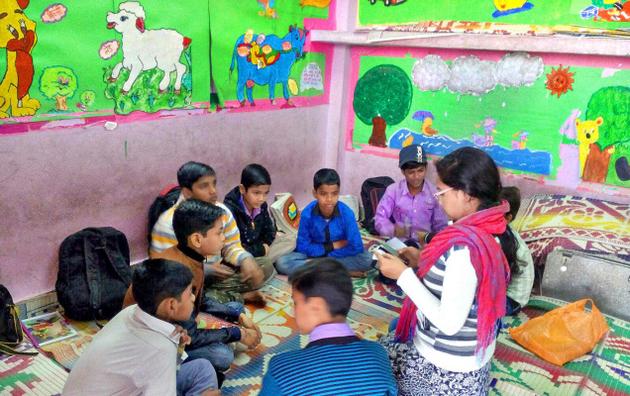
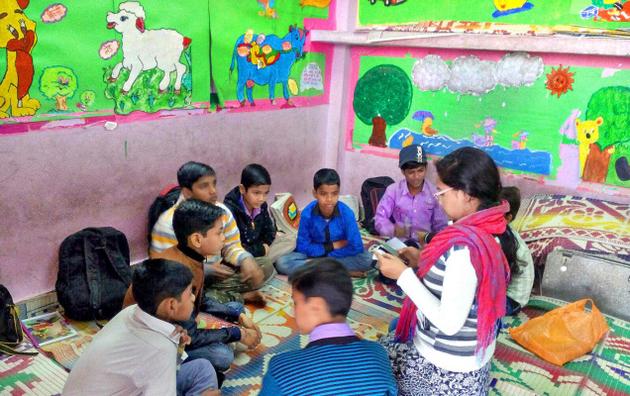
Missed calls, especially in India, are a useful tool. You pass on your number to an acquaintance through a missed call, you “miss call” to let someone know you’ve reached a particular destination, or you get a missed call because the other person wants you to call them back. But last week, these calls got a new twist with Pratham Books’ “ Missed Call Do, Kahaani Suno ” campaign. For two days, emails, WhatsApp messages, and social media posts flew across cyberspace, urging people to give a missed call to a Bangalore number. Pratham Books would then call back and children and adults could listen to a story in five languages: English, Hindi, Marathi, Kannada, or Telugu. The not-for-profit children’s books publisher partnered with Radio Mirchi and Exotel, a cloud telephony company, for the campaign.

missed call

“Most of us were fortunate to grow up in world full of stories,” said Purvi Shah, Head Digital Projects, Pratham Books. “But for millions of children the culture of books and reading for joy in their home environment does not exist. From our varied experiences on the field we constantly heard the need for audio stories. To us, this was a great insight to reach where a culture of reading at home was missing for the child. We felt we could address this need gap because we already had lovely stories in many Indian languages.”

According to the Telecom Regulatory Authority of India (TRAI), India has over a billion mobile phone users, of which 42.39 per cent are rural subscribers. Businesses have long wised-up to this statistic, as have political parties. We have been bombarded with marketing calls and SMSes, electoral campaign texts, and sales alerts and urged to send text messages or call toll free numbers on television shows. The Pratham Books campaign puts phones to better use: getting stories to remote parts of the country.

“The mobile phone as we know already exists in most Indian households today,” said Shah, “and that became an easy, scalable distribution medium, What we needed to ensure was that the parent did not have to pay for hearing the story. This was crucial considering the focus of Pratham Books’ target audience: the underserved child. That’s how we thought of exploring the ‘missed call’ route, which already existed as an idea.”

As part of their CSR initiative, Mirchi Cares, Radio Mirchi recorded the Pratham Books’ stories and then Exotel created the framework to deliver the audio stories. The Delhi pilot saw over 35,000 missed calls from 3,500 phones. For Exotel’s CEO, Shivakumar Ganesan, the campaign’s phenomenal response was “yet another testimony to the power of a simple phone call.”

“When the campaign went live, we received a great response online,” said Maya Hemant Krishna, Community Manager, Pratham Books. “Over the years, we’ve built a community of reading evangelists who are passionate about helping us in our mission of getting ‘a book in every child’s hand’. Many of them pitched in to spread the word about the campaign, actively tell people about how it works and more, ask for an extension because their children didn’t get to hear it, spread it through WhatsApp.”

As a campaign, “ Missed Call Do, Kahaani Suno ” dialled a lot of right numbers: a zero-cost operation that spreads the wonder of stories to children with little or no access to stories, or with limited literacy; and in multiple languages. “Listening to stories is a joyful way to create an interest in reading among children,” said Himanshu Giri, CEO, Pratham Books. “Our aim was to take the magic of storytelling into the homes of children by empowering parents to bring the joy of stories to their children.” Shah further said, “Many studies on language development have documented that children from low income families hear as many as 30 million fewer words than their affluent peers before the age of four. A simple technique like reading aloud can bridge this gap. The idea of ‘ Missed call do, Kahaani suno ’ is to create a culture of listening to stories within the home environment. This will eventually lead to an interest in reading as well.”

To encourage reading, for instance, after you heard the narrator growling away in Pehelwaan ji in Hindi on the phone, you also got a SMS with a link to the e-book on StoryWeaver, an open source repository of multilingual stories for children. Maya Krishna said that the content is available for now on StoryWeaver and on Pratham Books’ SoundCloud account for free download.

Chennai-based Kuppulakshmi Krishnamoorthy was one of the callers. “I have this special connection with this girl whose parents do a bunch of chores in our apartment,” she told Pratham. “I couldn’t wait to sit next to her and make her hear the story. When she and my daughter heard the Mouse in the House story, their eyes gleamed in delight. We learned a bunch of words from the story. Later, I enacted the story for them, playing the grandma, the pa, ma, the baby, and the mouse. They all giggled and clapped. The best part of the campaign was your insisting on sharing this with those kids who didn’t have access to stories.”

Bake an aamras cheesecake this weekend

mango-cheesecake1.jpg

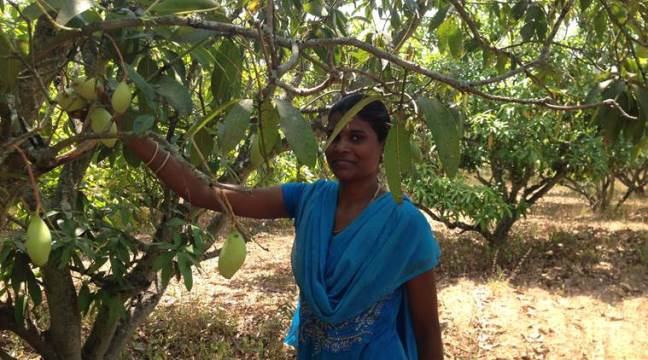
“It’s never been this hot at this time of the year,” said Settu, one of the farmers who is part of the Samalpatti Mango Growers Association. We were walking around a mango orchard in Samalpatti in Krishnagiri, in the heart of totapuri mango growing landscape. Raw mangoes hung temptingly from trees across the countryside. We snacked on slices of raw mangoes daubed generously with paprika, salt, and lashings of jaggery and talked about the future of this precious fruit. The relentless heat is of concern to the smallholder mango farmers when it comes to yields, but they are also hopeful. Mainly because they are no longer isolated smallholder farmers tackling problems of climate change, pest proliferation, and market fluctuations. Rather, they operate as a unit.

mango-farm

In 2009, 91 farmers from the region came together to form the SMGA co-operative and got themselves Fairtrade certified. Which means they get a minimum price for their mangoes, despite market fluctuations and an additional premium on what has been sold on Fairtrade terms. Their mango pulp is now being exported to European market, and it’s a source of pride for the community.

So far, the farmers have invested the premium money in fish water ponds as an additional source of income – mangos are biennial yielding crops – and a primary school in their village. It’s a story of promise, of climate adaptation, and the power of the collective.

I came back home and decided I needed to bake with mango. And not just mango, it had to be aamras, because you know, there’s nothing like pure mango pureé. So I baked a cheesecake, stirred some aamras into it, and even topped it with that. There’s also nothing like too much mango. I used The Kitchn’s recipe on my friend Aditya Raghavan’s recommendation, and adapted it slightly. I would recommend reading through their recipe because it goes into a lot of details, which comes in handy when baking a cheesecake. It’s not difficult, but it’s got short, fiddly steps.

Ingredients
Adapted from The Kitchn.

For the crust
170g- Ginger biscuits
5tbsp- Butter

For the cheesecake
900g- Cream cheese (room temperature)
1 cup- Sugar
1 tbsp- Corn flour (optional)
A pinch salt
½ cup- Greek yogurt or hung curd
1 tsp- Vanilla extract
3- Large free range eggs
1- Large free range egg yolk
Pulp of 2 mangoes

For the topping
3 to 4- Mangoes

Method
For the crust
*Grease a springform pan (10”). Now put the pan on two diagonally placed strips of aluminum foil and cover it on all sides. This is to stop water from entering the pan while baking it.

*Preheat the oven to 350F/ 180C.

*Blitz the ginger biscuits in a mixer.

*Mix in melted butter until it clumps together.

*Spread the mixture on the bottom of the pan, use the bottom of a steel bowl to even it out.

*Bake for eight minutes until the crust starts to brown.

*Let it cool.

For the cheesecake filling
*Using a hand-held mixer, whisk the cream cheese, sugar, corn flour and salt until the mixture is smooth and creamy. Make sure all the cream cheese lumps have evened out.

*Add the yoghurt and vanilla and beat again.

*Beat in the eggs one at a time.

*Give a last stir with a spatula.

*Mix in the mango pulp.

*Pour it on top of the biscuit layer.

Baking the cheesecake
*Cheesecakes have to be baked in a water bath.

*So place your pan into a larger baking dish.

*Boil water and pour into the baking dish, making sure no water falls into the cheesecake.

*Fill an inch of the pan with the water.

*Bake at 350F/180C for an hour.

*You know the cheesecake is done when it’s slightly puffed and set and a little bit wobbly in the centre.

*If you see cracks forming, then stop immediately.

*Switch off the oven and leave the door open a crack.

*Cool for about an hour.

*Now bring the cheesecake out and remove the foil.

*Run a knife around the cake’s edge to make sure it doesn’t stick to the sides of the pan.

*Cool completely and then freeze for at least five hours.

Cheesecake topping
*Peel the mangoes and blitz them to a fine pureé. Top the cheesecake with the aamras and serve immediately.

– See more at: http://indianexpress.com/article/lifestyle/food-wine/bake-a-totapuri-aamras-cheesecake-this-weekend-2767077/#sthash.C2CpXiuC.dpufmango-farm

Gaming apps for Earth Day

photo-2.png

http://www.thehindu.com/news/cities/mumbai/entertainment/gaming-apps-for-earth-day/article8497301.ece
photo 4

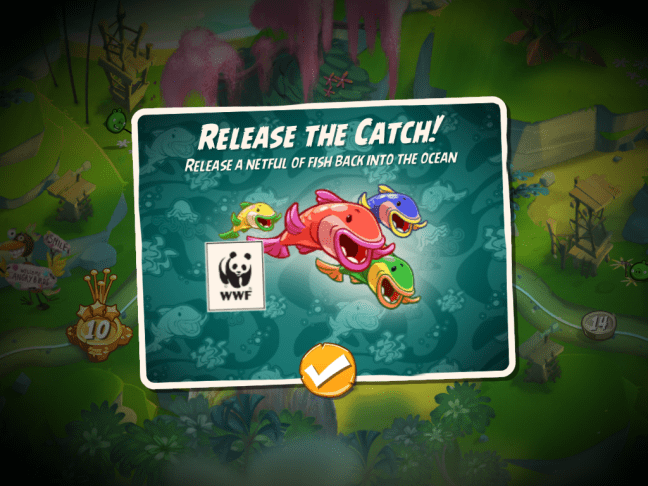
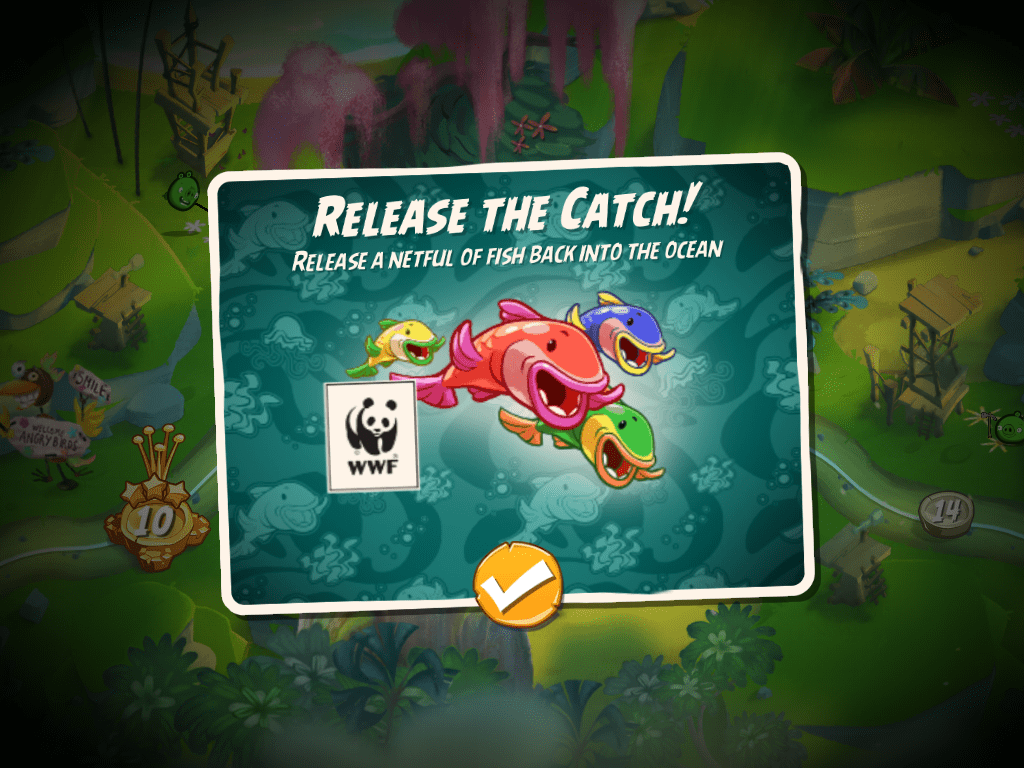
Angry Birds is back, and the birds are angrier than ever. Their wrath, this time around, is being put to good use for the planet. It’s Earth Day on April 22, and for ten days, Apple has an entire section on the App Store called Apps for Earth. It will be a shot in the arm for the environment movement in the form of 27 apps, where children and adults can safeguard wildlife, conserve forests, support sustainable food, preserve oceans, protect fresh water, and combat climate change.

But back to the irate avians: in Angry Birds 2, there are messages about protecting our oceans where players have to stop those annoying piggies from overfishing. Another gaming app, Cooking Dash, offers a menu with sustainable ingredients, a change from its usual steak-and-fries combination, while there are energy-generating turbines in Jurassic World: The Game. And SimCity BuildIt has three new features on forest, energy, and water. Even Candy Crush Soda Saga has joined the fray with a live in-game event called Bamboo Hill. Basically, as they put it, “have fun helping the planet.”

It’s a savvy fundraising drive: proceeds from in-app purchases will go to World Wide Fund for Nature (WWF). Considering that many children are growing up surrounded by screens, it is a smart idea to get them to think about conservation while playing games. Of course, how many games will translate into real action, if any, remains to be seen. That said, after the ten days are up, these apps will most probably return to business as usual. It would be interesting to see how many of these companies will continue to incorporate green messages beyond the token Earth Day promotion.

However, there are plenty of other green games online. PBS Kids has a website called Meet the Greens, where children can watch animated videos and calculate their carbon footprint based on their travel, food, consumption, and waste behaviour. There are games where young players can think about upcycling clothes, efficient lighting, learn trivia and get quizzed on green know-how.

If your children love The Magic School Bus series, then head to their microsite on Scholastic’s webpage for match the animal to its habitat puzzles, science experiments, and trivia. Then there’s British Council’s LearnEnglishKids website, which has an environment section packed with songs about Lisa the Lemur, flashcards, games, and stories.

For older children, there’s Don’t Flood the Fidgits!, which I must confess isn’t as easy as it looks. Players can choose to build flood-safe cities on an island, river, or peninsula, where you work with a budget and a population goal. As you build one city, it gets flooded and you realise you need to add trees, storm walls, and drainage for better cities. The simulation game gets young adults to explore environmental design, understanding engineering, green housing, and ecological landscapes. If they love cooking and gardening, get them to play 3rd World Farmer, an online simulation game about farming in developing countries. Players need to farm sustainably in the midst of droughts, market fluctuations and diseases. Hint: permaculture comes to the rescue.

After all, children are going to spend time online, it’s not a bad idea to nudge them towards gaming that encourages to think about conservation, try their hand at eco-design challenges, and have fun while doing it.

Bijal Vachharajani writes about education for sustainable development, conservation, and food security. She’s the former editor of Time Out Bengaluru.


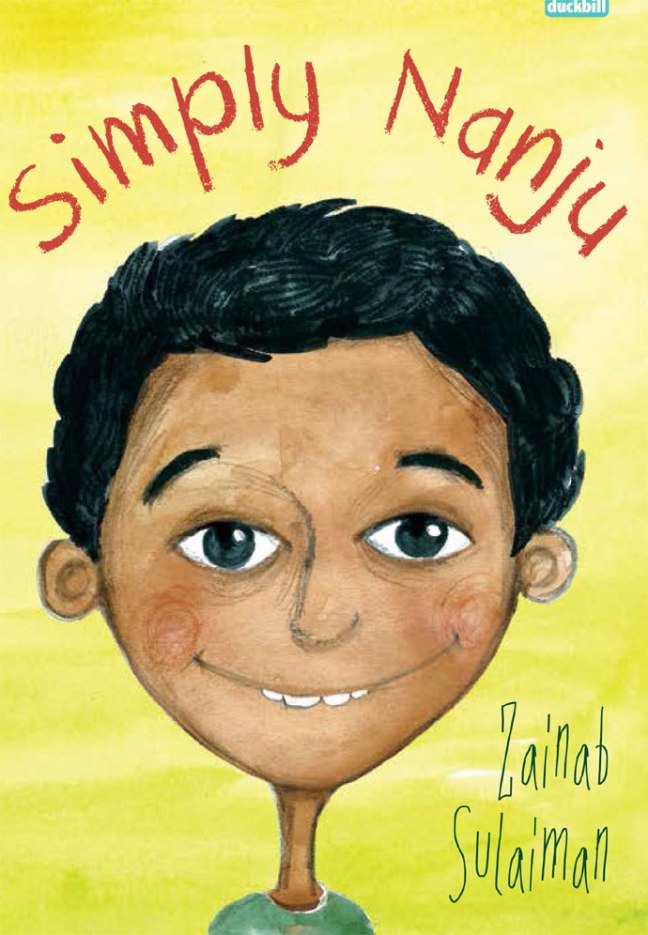
Simply Nanju is a poignant book to help children understand disability

sn_041816084942.jpg

Zainab Suleiman’s writing stems from her work with different NGOs and special schools.

http://www.dailyo.in/arts/childrens-books-zainab-sulaiman-simply-nanju-differently-abled-duckbill-poverty-disability/story/1/10152.html

The motley crew of Nanju and his classmates have to be some of the most adorable characters in children’s literature in the recent past. Zainab Sulaiman’s Simply Nanju starts with the ten-year-old boy poking his head out of a bathroom stall, worried that someone will find out that he’s soiled his school shorts once again.

Nanju was born with a spinal defect and as a result, he is relentlessly teased about his crooked walk. Nanju, we discover, has pressing concerns that demand his immediate attention at his school, where other children are also differently abled. His classmates suspect him of stealing the topper’s books, there’s a bully to contend with, and on top of that, his father is constantly threatening to send him off to a hostel far away. What follows is a mystery and a school story rolled into one, with everyday heroes as protagonists.

Sulaiman first wrote a grain of the story at a Duckbill writing workshop. “Zainab was one of the participants in a Duckbill workshop in Chennai, where one of the group exercises she had done was a detective story set in a school for kids with special needs,” said Sayoni Basu, director and primary platypus at Duckbill Books. “Afterwards, discussing what she wanted to write, she said that she worked as a special educator and she wanted to write about some of the kids she worked with. Which we thought was a wonderful idea.”

Sulaiman’s book stems from her work – she has been teaching, fund-raising and volunteering with different NGOs and special schools. “I’d been working as a volunteer teacher at an integrated school and everyday I’d practically float out of there, high on the energy generated by a bunch of kids who lived life to the hilt in spite of many of them being severely disabled,” said Sulaiman.

“I began to scribble down things I’d heard, make notes on the hard life many of these kids lived without any display of complaint or self-pity, and mainly how it all made me feel: angry, sad, amazed, overwhelmed. And that’s when I realised I had to write about this world.”

Smply Nanju joins an array of books that help children understand disability. Tulika Books has also published a range of picture books – Why are You Afraid to Hold my Hand? by Sheila Dhar is about attitudes and how people react to someone who is differently-abled, Wings to Fly by Sowmya Rajendran and Arun Kumar where little Malathi finds that she can do a “much, much more” even though she’s wheelchair-bound, and in Tharini Viswanath and Nancy Raj’s tale Catch that Cat!, Nancy doesn’t let her being in a wheelchair stop her from helping a cat stranded on a tree.

Karadi Tales, with its audio book format, is often used as an educational tool for children with learning disabilities. Few years ago, Shaili Sathyu directed Barsoraam Dhadaake Se, a play that was an adaptation of Kalpana Swaminathan’s story, Bangles for Bansode. The cranky old landlord, Bansode, finds that his life changes for the better when a wheelchair-bound girl comes to live in the building.

Stories like these go a long way in creating inclusive spaces, making children comfortable with diversity, and accepting of the fact that everyone is different in their own way.

Sulaiman’s characters come in all shapes, sizes, and shades of blacks, whites, greys, reds, blues and all sorts of happy and gloomy colours. Nanju’s friend, Mahesh, for instance, is really intelligent and uses logic to solve problems. Nanju himself is not all angelic – he’s quick to judge and can be quite sharp at times.

Sulaiman paints a poignant childhood, full of that sense of inadequacy and that particular sinking feeling when you get poor marks. It’s a familiar world of favourite and not-so-favourite teachers, ever-shifting rivalries and fast friendships and shiny compass boxes and new backpacks. All of this in the backdrop of challenges of social inequality and abuse. Not an easy task.

“It was hard,” said Sulaiman. “I was torn between writing a really hard-hitting book which showed how relentless the double whammy of poverty and disability can be, and writing about how inspite of all their hardships, these children really live for the day and are determined to extract every last ounce of joy from it. I choose the latter as I thought it was important for people to realise that it’s us who need to change, and maybe we could change if we realised how much these kids are like us.”

Stories like these are distinctive in the sense of being representative and going beyond the upper middle-class protagonists often seen in children’s books. “Urban kids live largely in middle-class ghettos, where they have little interaction with anyone outside their immediate social group, in a world which regards the ‘other’ with suspicion,” said Basu. “It is, therefore, all the more important that they read about Indian kids who live very different lives, since it is through fiction that we develop empathy and understanding of worlds which are different from our daily experience.”

Duckbill, over the last few years, have definitely hopped (or do platypus’ waddle?) off the beaten path. Rather than the usual lineup of authors and mythological stories, their books have LGBT themes, swashbuckling historical heroines, and differently abled heroes. Their writing workshops have helped them find new and exciting writing as well.

“Our goal has always been to publish books that reflect the contemporary world that Indian children and young adults live in,” said Basu. “And ideally, the books should be funny and wacky.” Simply Nanju checks the boxes.

Make pizza from scratch, in an air fryer if you please

pizza-main.jpg

Years ago, when we took our American cousins for pizza in Mumbai, they were quite stumped by the Udupi pizza, a plump circle of dough, tomato sauce, capsicum-onions-tomatoes, and oodles of Amul cheese grated on top. The younger cousin politely asked the server for his cheese to be melted. The bemused server insisted that this was melted. We finally moved dinner to Pizzeria in Churchgate, where they happily noted the stringy, gooey cheese and nodded their satisfaction.

I was listening to the BBC Food podcast recently where I discovered the difference between Neapolitan pizza and the Sicilian one. The first one has few ingredients, thin crust that almost folds over while eating, while the Sicilian one is thicker with lots of toppings. Of course, they didn’t include our homegrown Udupi pizza in it.

But, there’s something about handmade dough, fresh tomato sauce and mozzarella cheese baked in a wood-fired oven. Once you’ve tried that pizza, it’s impossible to eat those hyper-processed pizzas that are over salted with cardboard-like dough and cheese that tastes of nothing. Homemade pizza, for most of us, is buying readymade bases from the shop and baking it with tomato puree and cheese.

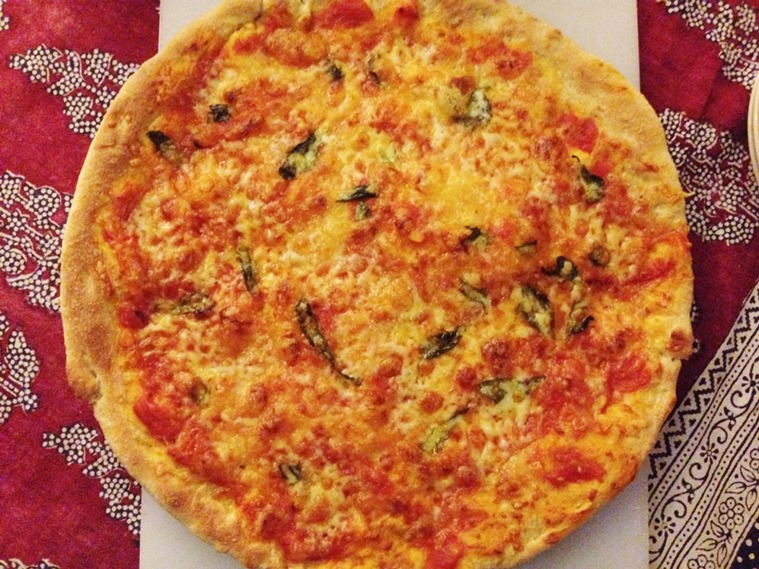
Almost a year ago, my British friend Deborah taught me how to make pizza from scratch. The dough recipe comes from one of my favourite chefs ever – Jamie Oliver. And then we tinkered around with different toppings. This pizza is so easy that it’s become a weekend staple at my home. I usually substitute most of the maida for whole wheat flour, and so far, no one has been the wiser.

Also, my oven conked in the middle (THE HORRORS) of all this baking and as a 13-year-old told me, this pizza bakes perfectly well in the air fryer. And it does.

Pizza (Adapted from Jamie Oliver)

Ingredients
For the dough
400g- Maida (I use half maida and half whole wheat flour)
A fistful of semolina/ rava
½ tbsp- Sea salt
7g- Ddried yeast
½ tbsp- Caster sugar (normal granulated sugar works fine)
325ml- Lukewarm water

For the sauce
If you’re using tomato sauce
1 tsp- Olive oil
¼ tsp- Ajwain
2 cloves- Crushed garlic
4 to 5- Basil leaves
½ tsp- Chilli flakes
2- Chopped tomatoes
Salt to taste

If you’re using pesto sauce
1 bundle- Basil leaves
A handful- Walnuts
2 cloves- Garlic
1/8 cup- Grated parmesan cheese
1 glug- Olive oil
Salt to taste
Pepper to taste

For the toppings
Mozzarella cheese- get one that you can tear into hunks
A drizzle of olive oil
Sea salt to taste
A few basil leaves

Method
* You can warm the water in the microwave or stove for 10 seconds. It needs to be lukewarm, not hot.

* Add yeast and sugar and mix vigorously with a fork. Leave it aside for a few minutes. Listen to the yeast – if it makes a humming sound, you know it’s active.

* Most active dry yeasts in India that you find in retail stores aren’t that effective. Look for the ones with small granules or get fresh yeast, which you can then store in the freezer.

* Mix flour and salt and make a well in the centre. Add the yeast water mixture and use a fork to mix it into the flour.

* Once it starts to come together, tip the batter onto a floured surface and start kneading the dough.

* There’s a trick to pizza dough – you need to push the dough away from you with one one hand, and at the same time, stretch it towards you with the other hand. Keep doing this for 10 minutes – I set a timer – until you get a smooth dough. It looks messy but don’t be tempted to add too much flour to the dough.

* Grease a bowl with olive oil and put the dough inside it. Drizzle some olive oil on top as well. Cover with a kitchen towel and let it sit for 45 minutes. The dough should double in size.

To make the pizza pies
* What I usually do is follow Jamie Oliver’s instructions. So I cut the dough in half and wrap half of it in cling wrap and stick it in the freezer to use for another day.

* The other half, I divide into four balls, dust them and cover them in plastic and let them sit for 15 minutes.

* Roll out some of the dough until it’s 0.5cm thick. You can do it on your kitchen platform, or if you’re making mini pizzas then on your rolling board.

* Dust parchment paper with rava, and put the rolled pizza dough on it. Brush it with olive oil.

* When it comes to toppings, I like to stay Neapolitan – the lesser the better.

For tomato sauce
* Heat 1 tsp olive oil in a pan, add ajwain, crushed garlic, basil leaves, chilli flakes, salt and chopped tomatoes and sauté.

* I use the paav bhaji crushing tool to mash this into a sauce. I am not a big fan of dried oregano, so I add caraway seeds or ajwain instead – they taste quite similar.

For Pesto sauce
* In a blender, blitz basil leaves, walnuts, salt, pepper, and garlic cloves.

* Add parmesan and olive oil and mix.

Putting the pizza pie together
* Once your dough is rolled out and ready, spread the tomato sauce on top or pesto, right until the edges. If you’re using pesto, then sauté some 3-4 cloves of garlic in oil, cut them into small pieces and stud the pizza base with the garlic pieces.

* If you’re using tomato sauce, add slices of mozzarella cheese and basil leaves.

* Drizzle with some olive oil and salt.

* Place in the oven to bake.

* These pizzas cook in a hot oven – 250 degrees C/ 500 degrees F in seven to 10 minutes.

– See more at: http://indianexpress.com/article/lifestyle/food-wine/make-pizza-from-scratch-in-an-air-fryer-if-you-please-foodie/#sthash.0P5uKsAx.dpuf

Bake a mountain of chocolate fudge this weekend

img_79121.jpg

Throw in nuts, grate some orange zest into it or just add some Cadbury’s Gems to it – it’ll be gone before you know it anyway.
IMG00396-20110722-2110

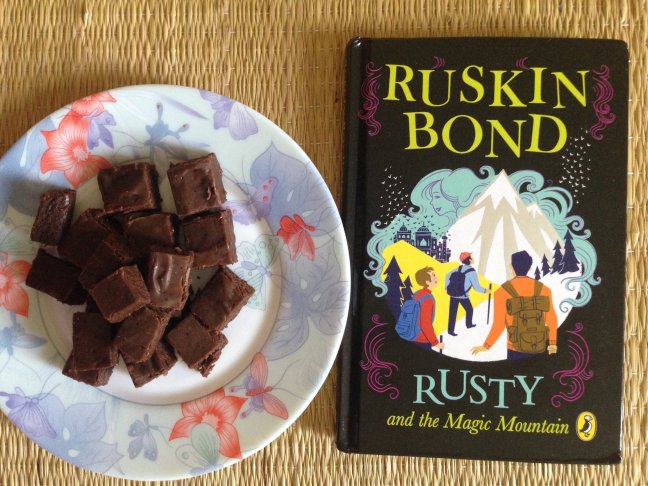
In August 2014, a chapter from Roald Dahl’s Charlie and the Chocolate Factory, which had been edited out of the first edition, was published for the world to read. In what was meant to be the fifth chapter, Willy Wonka leads the children into the Vanilla Fudge Room. Here’s what it said – “In the centre of the room there was an actual mountain, a colossal jagged mountain as high as a five-storey building, and the whole thing was made of pale-brown, creamy, vanilla fudge.”

All I could think of was breaking off chunks of this towering vanilla fudge mountain, dunking them into the chocolate river and gobbling it up quickly. Of course, it would have meant severe punishment at the hands of the Oompa Loompas, like becoming a Fudge Sludge or something equally terrifying like Cornelius Fudge (for the uninitiated, that’s the former Minister of Magic in the Harry Potter series)

And so, it’s simpler to make your own creamy chocolate fudge, and especially with a no-fuss recipe like this one. I got my fudge recipe from a friend ages ago, which I have tweaked and changed around since. Use good quality dark chocolate when making fudge because it really is the star here. When I travel, I end up buying organic and fair trade chocolate as well, mainly for fudge and cookies. As the chocolate melts with the condensed milk and butter, it becomes a thick river of molten chocolate that would make Willy Wonka very proud. And the smell will drive everyone into the kitchen – be warned, it’s really hard to keep the fudge safe from greedy, prying fingers.

It’s such a versatile recipe that you can throw in nuts or keep them out, or add orange zest or swap the vanilla for a drop of orange blossom water. My nephew tops each square with a Cadbury’s Gems roundel because he claims it’s prettier that way. Whatever you try, the result is still a glistening slab of fudge, dense and gooey at the same time.

Once the fudge is ready, you can cut it into squares and put them into little reusable mason jars to gift to friends as well. I have even chopped it up coarsely and served it as Cockroach Cluster at a Harry Potter themed party. Most of my friends prefer this fudge to a bottle of wine. Or actually, with the bottle.

Ingredients
60 to 70- Gramunsalted butter (this recipe works fine with salted butter, but then omit the pinch of salt)
¼ cup- Brown sugar
½ tin or 200g- Condensed milk
½ tsp- Vanilla extract
½ cup- Dark chocolate, roughly chopped
½ cup- Toasted, chopped walnuts or almonds or raisins
A pinch salt

Method
*Grease a shallow rectangle-shaped pan and keep aside.

*Melt butter in a heavy-bottomed saucepan on medium heat. Add brown sugar.

*Once the sugar dissolves, it forms a sort of crystalline broth at the bottom of the pan.

*Add the condensed milk and stir constantly till it becomes a smooth paste.

*Now add the chopped chocolate and continue to stir.

*Once the chocolate melts, keep stirring until the mixture reduces by a quarter.

*Add salt and the chopped nuts and continue to stir another three minutes.

*Remove from heat and add vanilla extract.

*Pour the mixture into the greased pan and let it cool.

*Leave it overnight to set or at least for six hours.

*Don’t refrigerate the fudge.

*Cut into pieces and well, let the Oompa Loompas stew as you eat the fudge.

*Best served with a cup of piping hot coffee or cold milk.

– See more at: http://indianexpress.com/article/lifestyle/food-wine/bake-a-mountain-of-chocolate-fudge-this-weekend/#sthash.p2DeZJC9.dpuf