Good feeds

http://www.timeoutbengaluru.net/bangalore-beat/features/good-feeds

Time Out rounds up old and new Indian literary fiction that are themed around cooking and eating

For all those who grew up yearning for scones and slabs of homemade fruit cake thanks to British author Enid Blyton, or wished that the Elven Lembas bread from The Lord of the Rings was real, we thought it’s about time you sampled flavours closer home. Indian literary fiction is steeped in food metaphors. Stories are built on the culinary efforts that go on in kitchens across the country and amateur and professional gourmets often are the star characters in narratives. Time Out picks some of its favourite food moments that are sure to leave you hungry for more.

The Case of the Love Commandos

Tarquin HallRandom House, R499.

India’s Most Private Detective Vish Puri is back in this latest instalment from Tarquin Hall and this time he is eating his way through Lucknow. For those unfamiliar with this private eye, Puri is one of the country’s most famous detectives. He works out of Delhi and in the past has cracked The Case of the Deadly Butter ChickenThe Case of the Missing Servant and The Case of the Man Who Died Laughing. The stories are rife with quirky and adorable characters, from Puri’s wife Rumpi to his Mummy-ji who is always interfering in cases when really she should “stick to what she is best at: making gulab jamuns and all”. Yet the books go beyond being classic mysteries, offering a slice of India while delving into social-political issues, corruption, Dalit rights, betting and more. When Puri’s mind is not occupied with the mysteries he has to solve, actually even when it is buzzing with these puzzles, he is thinking about food – from the kathi rolls that he has delivered to his Khan Market office to the offerings at the Gymkhana Club. InThe Case of the Deadly Butter Chicken, Puri finds himself torn between keeping a politician waiting or finishing a plate of sev puri with extra chutney and chilli. In Love Commandos, Puri wolfs down galauti kebabs, mutton biryani, sultani daal and kulfi topped with rose-scented falooda, all while following important clues. The book ends with a lovely collection of Lucknowi recipes. We promise that you can’t read the series without wanting to reach for a plate of  samosas or jalebis.

Eating Women, Telling Tales: Stories about Food

Bulbul SharmaZubaan, R295

Bhanurai Jog has passed away and it comes down to Badibua to prepare his favourite dishes for the death anniversary feast. A cluster of women gather in the kitchen, eight knives deftly chopping big round aubergines, slicing pumpkins, and sorting greens. As the kitchen bustles with activity, one woman points out, “This year the coriander and mint we grew is really good. You can smell the fragrance even before you begin to grind it.” The food memories invoke nostalgia, from which abound stories as the women begin to draw on their experiences and their past. The tales centre on food: a mother trying to win back the affections of her son who now lives abroad with ghee-drenched aloo parathas and jaggery sweets filled with coconut; another woman gearing up to welcome her husband’s family home with  different curries and chana paishe, a Bengali sweet made out of fresh paneer; a bride who finds herself chained to the kitchen after she displays her culinary skills. Melancholic, humorous, macabre and poignant, Bulbul Sharma manages to toss together dramatic stories within a story.

The Girl from Nongrim Hills

Ankush SaikiaPenguin, R299

Donbok, popularly known as “Bok”, a guitarist with a Shillong-based wedding band, gets entangled in a vicious plot when his brother loses `50 lakh on an arms purchase trip to Nagaland and finds himself in bad company. Bok not only has to save his brother’s life, he must avoid getting lured by a beautiful, mysterious woman whose intentions seem to be misleading from the outset.

Shillong and its unpredictable weather, its idyllic settings mixed with a tinge of nostalgia, the hustle-bustle of the Polo Bazaar and the clubs, all these elements intertwine to create a gripping atmosphere. As significant as the locations are to the novel, equally important are the little eateries, teashops and jadoh stalls, which often act as a foil to the narrative plot. Bok and his fugitive brother Kitdor meet over steaming plates of Khasi specialty rice and fatty pork cooked with chicken blood at a jadoh stall. After discussing Kitdor’s future, the brothers decide to eat. “They dug into rice cooked with chicken blood and fiery fermented fish chutney. His brother sitting beside him, the kettle boiling on the coals, the patter of rain on the tin roof… it was almost peaceful.”

Other instances of food playing a part in the book include Bok’s dinner table conversations with his parents while eating his mother’s rice, pork with black sesame paste, fried potatoes and boiled vegetables; ordering in egg chow and chilli chicken at The Paradise hotel just before he plans to barge into an adjoining room and steal a bag of money at gunpoint; and The Lhasa restaurant where, to calm himself after being shot at, Bok gobbles up pork momos with a watery chilli chutney and knocks back a stiff peg of Royal Stag whisky.

Gone with the Vindaloo

Vikram NairHachette, R350

This is a humorous tale about the goodness of food that travels back and forth in time as well as between continents. A successful restaurateur by profession, Nair has a palpable love of food combined with a no-holds-barred flair for storytelling. He ensures the committed attention of his readers throughout the book.The story opens in the bustling city of Varanasi during the pre-Independence era. We are introduced to three close friends, Kalaam, Mateen and Arth Purabiya, whose lives are about to change during British rule. As a result, Kalaam, the expert Muslim weaver who possesses the inherent skill of making “brocade”, the most enchanting fabric of Varanasi, is quickly cast off because of the divide and rule policy employed by the British. He is also blissfully unaware that his true calling lies not in threads but amidst pots and pans, spices and herbs. Fortune strikes early as he stumbles upon a group of English burra sahibs on a camping tour and ends up cooking chicken curry and rice for them. Thence begins his culinary expedition – from working as a cook at the Palmers’ residence to perfecting the nuanced vindaloo.

Every dish he cooks is loved and praised by all, but it’s the vindaloo that wins him admiration and fame. His signature style of cooking the dish uses a secret added mixture of tamarind pulp with chilli flakes, sugar and garlic to round off the tart flavours of the synthetic vinegar. Another story runs parallel, about the Mahadev household. An Imperial Civil Service (ICS) member by profession, Mahadev is a classic authoritarian family patriarch. He aspires to rub shoulders with the British and dreams of his son carrying forth his legacy. Pakwaan, who works in his kitchen, yearns to replicate his grandfather’s magical vindaloo, the recipe of which comes to him in a dream and is about to take him places. But cooking is a personal skill; it is instinctive and not merely about following instructions. From descriptions of flatulence to frank gestures of sexuality that border on the coarse, the author leaves no stone unturned to cook a flavoursome story – much like the vindaloo. Readers will leave with a satisfied burp. Arunima Mazumdar.

More than just Biryani

Andaleeb WajidAmaryllis, R399

After reading this book, we wondered for days how lauz would feel on our tongues. Lauz is a sugary sweet made of reduced milk turned into khoya along with powdered sugar, which is thickened and made into a dough and rolled out into different shapes. The enigmatic sweet is described in Andaleeb Wajid’s book as “sugary sunshine” that melts on your tongue and “little crumbly sugar-coated bits that dissolve slowly and make you light up from inside”. More than just Biryani is full of such evocative, beautiful descriptions of food that transpires through three generations. The story begins when Sonia Kapoor, a journalist with a food magazine, befriends a young girl called Zubi in Hong Kong after watching a food video done by her. The reticent Zubi gradually opens up to Kapoor and helps her put together a narrative spanning three generations, including Zubi’s mother Tahera and then grandmother Ruqaiyya.

While Ruqaiyya struggles with cooking in the Vellore of the ’50s as a young bride, and slowly realises that desserts such as lauz, badam ki jaali and firni are her forte, her daughter Tahera is known throughout the extended family for her culinary acumen, for her shammi kababs, biryani, khatta sherva, kali mirch ki phaal, kheema samosas and more. When Tahera’s husband dies in a freak accident, life takes a turn for the worse. She goes into a shell and loses interest in cooking. As her wounds heal, her cooking comes back to life. Zubi, who lives in Hong Kong with her husband and child, also finds her own identity and strong connection with her family by recreating her mother and grandmother’s cooking through a video format online. Recipes are woven into the narrative beautifully, rather than conventionally presented, and help move the plot ahead effectively.

The Obliterary Journal vol 2: Non-veg

Blaft, R795.

“Meet your meat” used to be a popular People for the Ethical Treatment of Animals slogan where the animal rights group would reveal to people the cruelty inherent in the meat industry. It could very well fit Blaft’s latest publication, the second volume of their graphic novel The Obliterary Journal.Edited by Rakesh Khanna and Rashmi Ruth Devadasan, the graphic novel brings together works by some of India’s most interesting artists, writers and activists, who look at the social, cultural, ethical and political dimensions of non-vegetarian food in India.

The book starts in a tongue-in-cheek manner with Durrrrk Mister Grinder Serial No 30277XM03’s comic, where a Legpiece has to make its way across a desert (lots of puns here), battling Space Idlies, to deliver, against all odds, this very book to an indie bookstore. Then Aneesh KR traces the history of emu farming, a venture that started with a lot of promise in India and went bust when there were few takers for the bird’s meat. A veggie UK Krishnamurthi talks about how “people eat for pleasure… everything is cultural”. There’s plenty of food for thought in this book, including Appupen’s eclectic renderings of the hunt for what we call “food” in modern times, “How to Make a Bitch Give Up Beef” by Dalit activist/writer Meena Kandaswamy with illustrator Samita Chatterjee, and Sathyanarain Muralidharan and Mihir Ranganathan’s refreshing and quixotic take on the food chain. We will leave you with just this taster to whet your appetite for The Obliterary Journal, but there’s plenty more to explore in the book.

Three Dog Night

Gouri DangeHarperCollins, R250.

Viva is on the wrong side of 60, but that doesn’t mean she is ready to retire. A widow who lives alone in Mumbai, Viva begins to de-clutter her life, like giving away her gorgeous black coffee/milk-coffee combo Kanjeevaram  silk sari to her much younger friend, Moni. Her son and his family live in Pune, and she dotes on her grandson, whom she bonds with over giant glasses of sitaphal milkshake and potato-mince patties. Her daughter is busy saving the world until some mysterious Nepal connection pops up to complicate matters.

Gouri Dange puts together a warm, fuzzy story about relationships, Mumbai and food, and of course animals, all with a healthy dose of wry humour.Three Dog Night is a beautiful read, made even more interesting by the recipes embedded in the narrative. For instance, when Viva gifts her Coffee Crystal sari to Moni, we also get her recipe of the alcohol-laced eponymous caffeine drink. Coffee, demerara sugar and brandy come together in what “wires you up for a range of post-dinner activities, from the routine to the sublime”. When Viva goes out for dinner at the “new off-Colaba Causeway place where the chef-owner combines strange and wondrous things”, she promptly offers a recipe for Fillet of Vietnamese Basa with Dalimbi Usal, the dish that she orders at the restaurant. Not unlike our mothers who eat at restaurants only to size up the ingredients and rattle off a makeshift recipe which tastes exactly like the restaurant speciality.

The Anger of Aubergines – Stories of Women and Food

Bulbul SharmaKali, R150.

In this wonderful collection of short stories, Sharma pays tribute to several of her grand-aunts, who were brave, fearless women and knew their way around the kitchen as well the tricky business of dealing with men. Each story is themed around food – food used as a means for passion, as a way to seek revenge and as a handy tool for power. While the title story deals with a couple who hate the sight of each other except when the husband turns up once a week to eat aubergines cooked by the wife, freshly plucked from the garden patch, “Food to Die For” is the story of an old lady who whips up the most elaborate feast for the brahmin priest who will perform the last rites of her dead husband. “A Taste for Humble Pie” sees an orphan girl who is otherwise neglected being fought over by relatives because of her pakora-making skills, “Feasting with a Vengeance” follows the story of newlyweds whose families want to outdo each other in the wedding feast stakes. Every short story is accompanied by a lovely recipe at the end according to the theme of the narrative.

Book of Rachel

Esther DavidPenguin IndiaViking, R699.

Rachel, who belongs to the Bene Israel community of Danda, Alibaug, lives alone in a house by the sea. Her husband has passed away and her children have moved to Israel. Looking after the village synagogue and creating traditional recipes from Bene Israel Jewish cuisine is her sole focus in life now. With the dwindling Bene Israel community in her neighbourhood, Rachel being one of its last surviving members, she opens and cleans the synagogue every day in the hope that it will once again be a scene of happy, communal gatherings. Rachel also spends her time painstakingly recreating ancient Bene Israel Jewish recipes of dishes such as kippur chi puri or poha cooked with coconut, fried fish, chik cha halwa, a sweet dish made of wheat extract and coconut milk, and mince cutlets. The making of every recipe in this novel also traces its origins and history in the Bene Israel context.

Fasting, Feasting

Anita DesaiRandom House, R299.

The novel opens with an important discussion – are fritters enough or must sweets go, too? A package is being sent by parents to their son in the US, and instructions are given to the cook that yes, sweets must be part of it. Anita Desai’s iconic novel is a bittersweet read, delving into the life of an Indian family and their patriarchal attitudes that inform the way their children grow up. Desai writes evocatively in her characteristic style, painting the book vividly with food and how it weaves the complexities of the family that forms her central characters.

Life & Food in Bengal

Chitrita BanerjiPenguin, R195.

Banerji’s seminal book on the eating habits of West Bengal and of Bangladesh, influenced by history and geography, spins a sweet little fictionalised account of a girl called Chobbi who takes us through the vast repertoire of Bengali cuisine and the cultural mores associated with it through her life and her joint family. The recipe section is divided according to seasons, such as basanta (spring), grishma (summer), barsha (monsoon), sharat (early autumn), and hemanta (late autumn), and sheet (winter). Apart from several classic Indian Bengali recipes, you will also find a smattering of those from Bangladesh, such as dimer halua or egg halwa, kamala koi, or fish cooked with orange pulp, and beef or lamb handi kebab.

The Mistress of Spices

Chitra Banerjee DivakaruniBlack Swan, R499.

Thanks to reruns on television, most people are familiar with Aishwarya Rai-Bachchan’s character Tilo, the stunning, mystical woman who runs a magical Indian spice shop in the US. The movie is based on Divakaruni’s book which coaxes open the healing powers and the flavour of spices. There’s plenty of poetry and sensuality in this book, but it’s also over-the-top mystical. Here’s an excerpt: “But the spices are my love. I know their origins, and what their colors signify, and their smells. I can call each by the true-name it was given at the first, when earth split like skin and offered it up to the sky. Their heat runs in my blood. From amchur to zafran, they bow to my command. At a whisper they yield up to me their hidden properties, their magic powers”.

A New World

Amit ChaudhuriPicador, R395.

Jayojit, a professor of economics, returns from the US to visit his elderly parents in Kolkata with his son Bonny for the first time since his divorce. The book follows the lives of these four characters with the slightly crumbling edifice of Calcutta as the backdrop. Though no real plot changes or turning points happen throughout the book, the protagonists’s descriptions of his mother’s simple cooking and her offerings of hot luchis served with slivers of pumpkin cooked with nigella seeds and green chillies to feed her grandson, or the description of the lifeless mach (fish) which has been brought from the market to be cooked into a watery gravy, are evocative.

Smell

Radhika JhaPenguin, R299.

After her father is killed in a riot in Nairobi, Leela is packed off to her aunt and uncle’s house in Paris. Leela has a rare quality. She possesses an extraordinary sense of smell. This heightened attribute overwhelms her perception of everything from sex to food. Radhika Jha writes, “When the wind blew hard, as it did very often that spring, the smell of fresh baguette would fight its way into the Madras épicerie to do battle with the prickly smell of pickles and masalas”.

The Vendor of Sweets

RK NarayanIndian Thought, R120.

Jagan is a vendor of sweets who lives in RK Narayan’s delightful Malgudi. A staunch Gandhian, Jagan’s fragile and unidimensional world becomes confounded when his son returns from the US and questions many of his hypocritical beliefs. While this isn’t exactly a book steeped in food, the sweets and the religious practices of shunning beef are some of the pivotal  elements of The Vendor of Sweets.

By Amrita Bose, Bijal Vachharajani on April 11 2014
Vegan City Guides: Mumbai

Rithika Ramesh, Vegan City Guides, R186 

Two years ago, a South African friend and I were discussing the beautiful city of Cape Town. I was complaining that when I visited the country some 15 years ago, I subsisted on French fries as I could barely find any vegetarian food. This is how the conversation went:

Me: “…so basically I starved.”

Friend: “How can that be? We make excellent chicken back home.”

Me: “Umm… yes… I don’t eat chicken…. Hens… you know.”

Friend (nodding in understanding): “Ah, but what about fish, we are next to the ocean!”

Me: “Er… I don’t eat fish as well, you know, they swim and all that! Oh, and I don’t eat eggs.”

Friend (shaking his head): “No wonder you starved.”

Trying to be vegetarian on an international trip is a bit of a challenge, and even more if you are vegan (people who follow a dairy-free diet). Since I visited South Africa in the ’90s, Internet was still something of a mystery and we relied on good ole’ word of mouth for sightseeing and food recommendations. Since then things have changed – travelling for vegans is easier, thanks to the Vegan City Guides, a series of guidebooks published by an independent e-book publishing house which started in South Africa. On their website, the mother-daughter publishing pair explains their mission, “Wouldn’t you be happy in the knowledge that wherever you went, you had somewhere to turn to for advice on where to eat, sleep, shop and enjoy your leisure time as a vegan? No more relying on French salads and pommes frites to get you through the day in a strange city! Above all, it is our aim to help ‘normali[s]e’ veganism to the extent that traveling abroad while maintaining a vegan diet will no longer be perceived as being a burden”.

Last November, they published Vegan City Guides: Mumbai, written by Rithika Ramesh. A vegan since 2009, Ramesh runs The Green Stove, what she calls “Mumbai’s only 100 per cent vegan bakery”. The guide offers a vegan guide to the city’s restaurants, pubs, malls and even vegan catering and shopping. In her introduction Ramesh warns that “Mumbai is yet to wake up to the vegan revolution” but does agree that “it is never hard to find something vegan in a restaurant if you know what to avoid and explain it to the wait staff”. She goes on to explain the green dot system of labelling vegetarian foods, pointing out that it includes dairy products. For tourists, there are some handy translations for words such as “ghee” and “doodh”, and a map that can help them navigate the culinary landscape of Mumbai.

Most of the guide deals with vegan eating. In the Restaurants, Pubs and Takeaways, Ramesh offers a range of restaurants and also advises on the price range. She recommends customising Chetana’s thali by cutting out the non-vegan options like dhokla and kadhi. Then there’s Ray’s Pizza in Bandra which makes a pizza without cheese. What really works is that Ramesh suggests more iconic and local places such as Prakash in Dadar and Ram Ashraya and Café Madras in Matunga. And at the other end of the spectrum, she also includes international names such as the Michelin-star dim sum house Yauatcha and Suzette.

Ramesh writes simply without any frills and that’s perfect for a guide. There is some generalising, but it’s evident that the author has put in a lot of leg work in researching vegan options in the city. That said, it’s a fact that a lot of Indian vegetarian foods can easily be made vegan, by simply cutting out the ghee or using, say, cashews instead of cream to make a rich gravy. Idlis, dal-rice, bhel puri,and many veggies are already vegan.

In many ways, it makes sense that the first India vegan guide is from Mumbai. A few years ago, the residents of the swanky stretch of Malabar Hill to Marine Drive pushed for no-meat restaurants. So much so that Pizza Hut on Marine Drive turned veggie as well. The debate between “vegetarian” and “nonvegetarian” buildings also started in our city. And we have learnt, first hand, that most restaurants are happy to customise food orders based on patron preferences.

The Nightlife in Mumbai was a tad too short, where you mainly learn that “Pub food is not very vegan friendly so it’s better to eat before you hit a pub or you’ll be eating French fries through the night”. The Vegan Shopping section recommends a list of brand names in biscuits, soya milk and chocolate. What really leaps out at the reader is that the list is small. It makes you wonder, if in the future food companies will consider developing healthy and tasty options for lactoseintolerant people, vegans or people with certain kinds of allergies. Until then, this guide is a good primer.

By Bijal Vachharajani on January 03 2014 7.24am
Photos by Mohnish Dabhoya

Vikas Khanna: Young Chefs

http://www.timeoutmumbai.net/kids/featuresfeatures/vikas-khanna-young-chefs

DK, R499

As children of the ’80s, some of us grew up making, what was back then, a particularly decadent dessert. Store-bought Marie biscuits would be dunked into a pool of melted Dairy Milk chocolate. The chocolate-covered biscuits would be stacked on top of each other and then left to set in the fridge. The result was a rudimentary frozen chocolatebiscuit cake that had the best of both worlds – biscuits and chocolate. Children today are surrounded by more sophisticated desserts ranging from macarons to tiramisus; and gananches to tortes of all sorts. Many urban kids know their gnocchi from linguini and can pronounce quesadilla and bruschetta (it’s kay-sa-dia and brusque-ta). They watch MasterChef Australia and, going by what the show’s junior version displayed, some children can easily put our cooking skills to test.

Feeding that frenzy of junior masterchefs-in-the-making comes chef Vikas Khanna’s book, Young Chefs. Khanna is the author of Khanna Sutra, a collection of his Valentine’s Day menus, and has hosted MasterChef Indiaand been awarded a Michelin star for his upscale New York restaurant, Junoon. In the introduction to Young Chefs, Khanna writes, “I grew up learning to cook as my grandmother’s little kitchen helper. I ran to her kitchen at every opportunity I got, fascinated with all the smells and action in the kitchen: rolling, baking, chopping, stirring, and whisking”. He goes on to talk fondly about memories in the kitchen and then expounds on “healthy eating, balanced diet and fresh ingredients”.

Khanna’s kids’ cookbook is a lavishly produced one, with tasteful photographs and black-and-white illustrations. The beginning of the book has some handy tips about kitchen hygiene and an illustrated guide to different foods such as proteins, fats and sugars. Khanna goes on to explain the metric and also the imperial measures he’s used in the book, even though most Indian kitchens don’t use ounce and pound measurements. The Cooking Tools guide would make any home cook envious given the gorgeous display of utensils. The chef also gives a pictorial guide to cooking methods such as boiling, simmering, and deep-frying.

The cookbook is divided into Breakfast, Lunchbox, Main meals, Sweet treats and Drinks. The range of recipes includes Indian and international ones, each with a step-by-step pictorial guide. Some recipes are simple, like boiled egg, fruity cereal, and tomato & couscous salad. Others are more complex, such as basic bread, bbq chicken and chicken tikka masala. What we liked about the book though was the fun and simpler recipes such as carrot butter and beetroot raita which find resonance with Khanna’s outlook of healthy and fresh ingredients. We can also see kids enjoying experimenting in the kitchen with some of these recipes.

We were dismayed to find that most recipes required cooking on the stove (though there’s a sign to show adult supervision required. The book’s for a slightly older audience, aged 11 and above.) Further, some of them called for ingredients that are either not easily available in supermarkets such as crème fraiche or readymade shortcut pastry. Going by the photos, in which kids from different nationalities are doing most of the cooking, it’s evident that the book is meant for an international audience.

Keeping these thoughts aside, we decided to give two recipes a whirl, one from breakfast and the other, of course, from dessert. Khanna’s Eggy Bread is basically French toast, and he explains that it’s “popular around the world… eaten in Portugal at Christmas and in Spain and Brazil at Easter”. We whisked four large free-range eggs in a mixing bowl along with milk and cinnamon. And then soaked the white bread for about 30 minutes. Then we fried the bread on both sides until golden and the result was a crisp yet spongy French toast. The recipe suggested accompaniments such as blueberries and maple syrup. Given the price of those at gourmet stores, we ditched that and chose the second suggestion of butter and jam. A perfect Sunday morning breakfast.

Next up, we wanted to try a dessert that didn’t require an oven. We picked the creamy pista ice cream – a sinful combination of condensed milk, pistachios and cream boiled together. Our end result looked like Hulk’s back – greener and gloopier than the photo in the book. We popped the ice cream in the freezer and suddenly found ourselves back to our 12-year-old self when our mother would put her hand-churned strawberry ice cream into the freezer. We had to restrain ourselves from opening the freezer again and again to see if the ice cream had set. But the patience paid off, the pista ice cream was creamy and tasted of summer and childhood. We couldn’t have asked for more.

By Bijal Vachharajani on January 03 2014

Mahua power to you

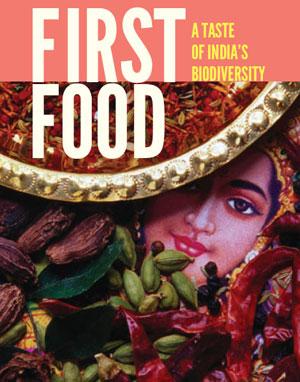
A new recipe book for food celebrates India’s biodiversity. Bijal Vachharajani leafs through its pages.

 http://www.timeoutbengaluru.net/around-town/features/mahua-power-you

0.07913000_1436338803_food

A quick rummage through the contents of our refrigerator reveals how much our eating habits have changed over the last decade. Emerald broccoli florets, butter yellow zucchinis and bitter rocket leaves lie next to pods of country peas, spinach leaves and strings of cluster beans. When pressed for time, it’s easy to rustle up pasta with bottled pesto. When cooking a more fancy dinner, Thai curry with jasmine rice, lasagna or tacos are often on the menu. Yet, while we are embracing world foods and making them an integral part of our larders, we are increasingly alienating the more indigenous foods that used to be part of our grandmothers’ lives.

Take for instance, makhana. For those unfamiliar with it, these cloud-like seeds look like an inflated, rustic version of popcorn. A member of the water-lily family, makhanas grow in the wetlands of Bihar and ponds of West Bengal. Also called foxnut, the thorny plant bears fruits that encase black seeds. The seeds are roasted and cracked open and then sold in the market. Easy to grow and digest, the makhana is also versatile. According to the book First Food: A Taste of India’s Biodiversity, it can be stuffed into a paratha, added to a raita to give it that extra crunch, tossed into a gravy and made into a creamy kheer.

Published by the Delhi-based Centre for Science and Environment, the cook book is a treasure trove of 100 regional vegetarian recipes that highlight forgotten, and often endangered, herbs, spices, fruits, leaves and vegetables from the country’s farms and forests. Some of them, such as bajra, papaya and ragi, are familiar names. Others are more unusual. There is palash sherbet, made from the dried flowers of the flame of the forest tree; chaulai laddoos, a sweet made from the amaranth grain; and mahua poda peetha, a pancake made out of the intoxicating mahua flower. There are also quirky recipes where jute leaves are made into saag and chutney from bhang seeds.

In the foreword, Sunita Narain, the director general of the CSE who gave editorial direction to the book, writes, “We cannot manufacture biodiversity. But we can choose to live with it. We can value it in the wild and in the farm. We can savour its taste and smell. This is joy of living. This is what we must not lose. Ever.” She further points out that each region of India is “diverse in its food habits. It has its own recipes; it cooks with different ingredients; it eats differently.”

First Food brings together writings that reflect nutrition, diversity and culture of indigenous foods from past issues of Down to Earth, an environmental magazine by the CSE. The 39 writers, a mix of scientists, academicians, activists and journalists, include Pushpesh Pant, the founder director of the Academy of Natural Nutrition in Uttarakhand; Madhu Bala, an economics professor from New Delhi; and Devinder Sharma, an agriculture and food policy analyst, apart from CSE staffers. “Everyone has a story on food,” said Vibha Varshney, who is credited with concept and research for the book. “Reporters often come back from different parts of the country with stories of local food. Similarly, nutrition experts tell us about healthy food. First Foodbrings together all this learning.”

Many of the ingredients mentioned in the book are regional. Sangri, pods of the khejri tree, is from Rajasthan; or selni, a wild fruit is common to central India. But First Food encourages readers to go beyond those recipes to rediscover other traditional, local food. “That is the basic idea behind the book,” agreed Varshney, who is also the science editor at Down to Earthand a botanist who has been writing about health and science for over 13 years. “We feel that unless this food becomes part of our lives, we’d end up losing it.”

First Food is divided into Breakfast and Snacks, Meals, Chutneys and Pickles, Beverages, Sweets, About the Plants and Traditions. The recipes are simple. When we tried the makhane ka raita, we found that the curd-based recipe tasted similar to dahi bhalla and was a refreshing accompaniment to our foxtail millet upma. And best of all? It took us less than five minutes to whip up. One minor quibble – while the book is lavishly produced with some beautiful photographs, we wish there were more images of the lesser-known ingredients.

First Food highlights food security, but it’s really a showcase of India’s vibrant biodiversity. “Through ages, people have depended on local biodiversity for food,” said Varshney.“But with the new agricultural practices which promote monocultures, this connection is now broken. We hope that with revived awareness, this link would be renewed. For one, it would give farmers additional livelihoods. This would give them an incentive to protect the environment.”

First Food, Rs950. To order, visit cseindia.org.

Think Local, Eat Local

http://www.timeoutbengaluru.net/around-town/features/think-local-eat-local
Coverstory

It’s easy to be a locavore in Bangalore (people who choose to eat locallyproduced food, rather than food that’s travelled miles to reach the table). Our city is teeming with locally-grown vegetables and fruits, for instance. Vegetable or meat shopping isn’t a chore for us – a walk through the tarkari market is like a social visit, where we bemoan the price of tomatoes with the vendor or trade recipes with fellow shoppers. It may not be organic produce, but we do end up supporting local farmers. Many of us have pretty balconies, gardens and window sills, where we can grow fresh herbs. Concerned individuals and collectives have kick started local initiatives to ensure that our food is less jet lagged. Our city chefs proudly doff their hats to local foods, using them in their gorgeous creations – from millets to lesser-known leafy vegetables; they have figured it all out. At a time when food miles and communities are taking precedence, Time Outhelps you think local, shop local and eat local.

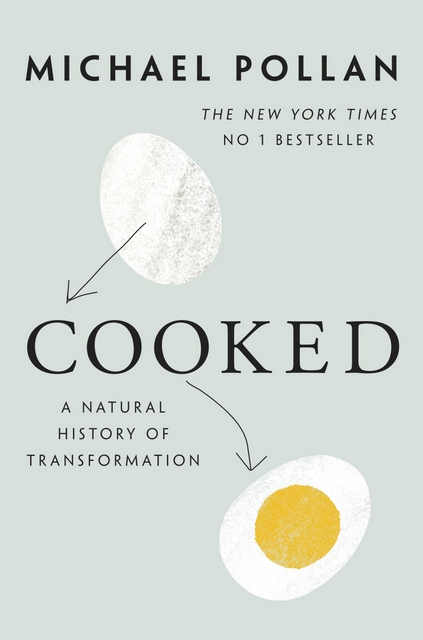
Cooked: A Natural History of Transformation

http://www.timeoutmumbai.net/restaurants-caf%C3%A9s/featuresfeatures/cooked-natural-history-transformation

Pollan dons an apron and heads into his home kitchen to understand the fundamentals of cooking

Michael-Pollan-Cooked

Fifty years ago, my mother, then a teenager, lived in a joint family in a flat in Bandra East in Mumbai. For her family, making nankhatai was something of a bonding ritual. My mother and her two sisters would prepare the dough for this soft biscuit. My grandmother would keep an eagle-eyed watch as they measured out plain flour, crushed sugar, mixed the ghee and finally crumbled in cardamom seeds. The pliant, fragrant dough would be worked into plump white balls and the sisters would hop onto a train to visit their local bakery in Andheri, five stations away. There, they would stand in line with other home bakers, waiting to place their miniature moons on beaten aluminium trays that would be hefted by the bakers into the bakery’s massive oven. My mother still remembers the taste of fresh nankhatai – fragile white balls with crisp, golden edges that dissolved into your mouth. My mother’s memories of nankhatai was on the edges of my mind as I read Michael Pollan’s latest book, Cooked: A Natural History of Transformation. A food activist and professor at the UC Berkeley Graduate School of Journalism in California, Pollan has previously investigated the intimate relationship that humans share with their food sources, through books such as The Omnivore’s Dilemma: A Natural History of Four Meals and The Botany of Desire: A Plant’s-Eye View of the World. This time, among other things that Pollan writes about cooking as a “much more sociable activity” than it is today. “Even today,” writes Pollan in Cooked, “in many Mediterranean villages, you find communal ovens, where people bring their proofed loaves, roasts, and braises, and pass the time in conversation while waiting for their dishes to come out of the oven.” For my mother and her sisters too, the nankhatai ritual was also a time to discuss mundane occurrences, share intimate stories, and bond.

How food is woven into a community’s social fabric is just one of the many ingredients in the elaborate recipe that is Cooked. For this new book, Pollan dons an apron and heads into his home kitchen to understand the fundamentals of cooking. His culinary journey looks at four basic elements – Fire, to understand which he goes back to the oldstyle barbecuing of meat slowly over fire; Water, which takes Pollan on a quest to make the perfect stew/braise; Air, which is understood through the workings of baking bread; and, Earth, for which the author experiments scientifically by brewing beer.

Through his experiments in the kitchen, Pollan puts together a compelling argument about cooking as an art, a survival skill and as “an essential, defining human activity”. He questions the futility of the processed foods that are now standard fare in our refrigerators and cupboards. Those cans and plastic boxes encroach upon our memories of food and its cultural vitality. He wonders why we spend less and less time in the kitchen and takes journeys to understand where his food comes from and how it is cooked. Pollan goes beyond the supermarket aisles and into the farmyards and some master kitchens. He also get us to chuckle at some of his trials, which include chopping pork until his arms grow rubbery. From the humble yeast to innocuous plant matter and the whole hog, Pollan gives the reader a taste of what it is like to get back into the kitchen and cook. Recipes from his culinary escapades are available in the concluding section.

Pollan’s book, though very North American, comes at a poignant time for India. He writes, “How’s it that at the precise historical moment when Americans were abandoning the kitchen, handing over the preparation of most of our meals to the food industry, we began spending so much of our time thinking about food and watching other people cook it on television?” This line could uncomfortably reverberate in many urban Indian households. Our supermarkets are packed with processed foods – from ready-to-eat dals to prepared ginger-garlic pastes and assembly-line bread to instant noodles. Of course, their popularity is fuelled by their easy accessibility as compared to more responsibly grown and healthier produce. Since they are mass-produced, it is cheaper to buy biscuits, than to prepare them at home. Not to mention the effort that goes into, say, baking a nankhatai. While we load our trolleys with precisely these foods in an attempt to cut our time in the kitchen, we spend more time watching TV shows such as Masterchef Australia, debating restaurant food reviews and Instagramming photos of meals. There seems to be time to do all of that, yet when it comes to cooking our meals, as Pollan points out, “fresh is a hassle” and “time is the missing ingredient in our recipes – and in our lives”. At the end of Cooked, Pollan manages to pique the reader’s interest in the intrinsic value and joy of making food in your home kitchen. While, I doubt that most readers will start baking bread or brewing beer after reading Pollan, I for one, am going to my oven to bake a batch of fresh nankhatai.

Michael Pollan Penguin,

By Bijal Vachharajani on September 27 2013

Snack charmers

My family was most excited to hear that Baroda-based farsan establishments now deliver in India and globally.
http://t.co/Yip3QPWjnE

Time Out checks out a new online store that specialises in packaged nibbles from Gujarat


There’s something about the word farsan (snacks) that can send a Gujarati’s pulse racing and get his or her taste buds to go into overdrive. After all, our day is punctuated with these oily goodies, starting with deepfried ghatiyas made out of gram flour that are eaten with sliced onions, a raw papaya salsa and fried green chillies for breakfast. This is followed by snacks such as kachoris that are eaten with the main meals of the day.

Then as the day unfolds, there are other delights to choose from. Papad pava, for instance, is a mix of crushed papads tossed together with flattened rice flakes to make a crunchy tea-time snack. Then there’s khakhra, wholewheat chapattis roasted on a tawa to form a thin cracker-like farsan, which combines well with chutneys and dips. And no meal really ends without mukhwas, mouth fresheners that range from simple fennel seeds to more exotic dry paan mixtures and jeera (cumin) golis. Now Gujaratis and other farsan fans have reason to cheer as they can indulge their cravings by visiting farsankart.com for all their snack needs.

The e-store brings together snacks from seven prominent stores that operate out of Vadodara in Gujarat –Jagdish, Payal and Sukhadia, three farsan marts that are known for their snacks such as chivdas, khakhras and crisp puris; Ujjam Masala, which blends spices that locals swear by; Vanshidhar, which is known for its packaged instant mixes to make dishes such as handvo (a Gujarati spiced lentil cake) and theplas; Mr Puff for khari biscuits, and JK Mukhwas, which sells mouth fresheners. We recommend you try their fulwadi, fried gram flour spicy croquettes; lilo chevdo, a savoury mix of potato chips and gram dal; and of course the papad pava. The products are reasonably priced and available in different quantities.

When we tried to order from the website, our office server blocked the transaction. But the team that runs the website called us immediately and helped place our order through a quick bank transfer and dispatched our goodies right away. While the Vadodara-based service delivers free of cost anywhere in India, its main clientele is clearly non-resident Indians. Its global operations reach farsan goodies to Australia, Canada, the UAE, the UK and the USA. Visit farsankart.com.

By Bijal Vachharajani 

Imli Cafe and Restaurant

A charming cafe with food that will receive mum’s emphatic approval

http://www.timeoutbengaluru.net/restaurants-caf%C3%A9s/reviews/imli-cafe-and-restaurant

Missing mommy’s aloo puri? Or craving hot phulkas straight off the tava? On days when you are weary of calorie-laden pizzas, insipid cafeteria food or greasy north Indian fare, we suggest you head to Imli, the latest swatch of colour in Indira Nagar’s patchwork quilt of eating establishments. The bright yellow bungalow that houses Imli is hard to miss. We were taken with the restaurant’s spacious terrace dining area, where you can sip tea redolent of home and watch squirrels scampering around, or play Jenga with friends. And it’s good that the furry animals and board games were there to keep us company, because service was a tad slow: on the day of our visit, the plates arrived after the food.

But that’s just a minor quibble. The food at this veggie restaurant is homely and delicious, even avowed chicken tikka devotees will approve. Since it doubles up as a cafe, there’s a range of snacks available including cheelas, thin savoury pancakes made out of chickpea flour or pulses; aloo poha; and jhaal moori, bhel puri that swirls a Bengali twist of mustard oil into its ingredients. We loved their sabudana vadas, they were crisp, topped with tangy amchur powder and perfectly paired with wellspiced coriander chutney. And there’s reason for transplanted Mumbaikars to rejoice: Imli also has vada pav on its menu. While it may not have the same panache as the street food version sold back in the island city, we couldn’t find anything to complain about the crisp batata vada, the bountiful lashes of lasoon (garlic) chutney, and the accompanying mirchi fry. We washed this all down with mild imli ka panna and sweet lassi.

Imli will find patronage among office-bound folks in Indira Nagar: it offers reasonably-priced combination meals that include two vegetables, a dal and dessert. The bhindi pyaaz was as good as the stuff ladled off saucepans up north, and the desi dal tadka mercifully wasn’t wallowing in oil. After that extremely satisfying meal, our phirni was a bit of let down: it was a little too sweet for our taste.

But it didn’t matter, as we barely had room for dessert. That’s because the portion sizes at Imli are large, bordering on gargantuan: exactly as mum would have it.

THE BILL
Papdi chaat R80.00
Bhindi pyaaz R160.00
Phulkas x 4 R80.00
Imli panna R60.00
Sweet lassi R80.00
Vada pav R60.00
Dal tadka R150.00
Phirni R100.00
Total (including tax)  R870.00


By Bijal Vachharajani on November 23 2012 12.35pm
Photos by Selvaprakash L

Home food cravings

It’s not often that I write about food, but this story happened because I was craving undhyu in Bangalore.
http://www.timeoutbengaluru.net/restaurants-caf%C3%A9s/features/foody-goody

Foody Goody

Dig into undhiyu and other scrumptious Gujarati dishes
Undhyu
Winter means one thing for Gujaratis. It’s time to tuck into undhiyu, a Surati mixed vegetable dish composed of brinjals, purple yam, sweet potatoes, unripe bananas and papdi, flat beans. Traditionally, undhiyu is cooked in an earthen pot that is buried upside down underground and then fired from top. The vegetable is cooked in a sea of oil (effectively quashing all health benefits) and eaten with hot puris. This is nearly impossible to achieve in Bangalore, of course – most households here cook undhiyu on a stove. The season for the dish has almost passed, but this fortnight, caterer Shweta Kantaria will make her last few batches of the winter vegetable before summer creeps up on us.

While there are two types of undhiyu that are usually made, Kantaria’s version is the Kathiawadi one, which is created from spices such as garam masala, coriander-cumin powder and red chillies. She also adds generous amounts of muthiyas (fried dumplings made of besan, methi and spices). When we tried the undhiyu, it transported us to childhoods spent on rooftops, flying kites and taking breaks to eat piping hot undhiyu with puris and pickle. Of course, living in Bangalore means she has had to tweak the recipe a bit, replacing green tuvar (pigeon peas) with avare kai (beans) and purple yam with plain yam. Kantaria, who holds a business degree in finance, and her husband, Ramesh, moved to Bangalore five-anda- half years ago. She took a break from her job in human resources when their son was born. “I used to go to birthday parties with my child and found that most parents would hand over readymade boxes of burgers, pizzas and doughnuts to the kids,” said Kantaria, whose son is now four years old. “I found it odd that you’re inviting someone and then giving packaged food.” Then two years ago, Kantaria, who loved to cook, decided to start her catering service, Foody Goody.

Since then she’s been making regional snacks such as vada pav, dhoklas, chaats and dabeli (sweet- and-spicy potato mixture mixed with peanuts and pomegranate sandwiched between a pav) and international fare such as pizzas, noodles and pastas. The paneer roll – samosa shells stuffed with a mixture of cottage cheese and Italian herbs – is the star of her menu. She also offers a range of desserts including angoor rabdi, gajar ka halwa and cakes and cookies. Apart from birthdays, she prepares food for house parties and business dos. “Last year, I made 2,500 mini pizzas,’ claimed Kantaria, who lives in Brookefields. “This Sankranti, I made 22 kilos of undhiyu in just two days.” But despite the Gujarati items on the menu, the couple said only 10 per cent of their customers are Gujarati.

Kantaria credits her husband for fuelling her passion. “We are all foodies in the family,” said Ramesh, as he packed dabelis for an order. “Even when I am home on weekends, she’s busy in the kitchen. But it’s good because we get something delicious to eat.” Business is thriving, and Kantaria’s putting off the inevitable: moving to a bigger kitchen to take in all the orders. “But I promise homemade food,” she pointed out. “Then it has to be cooked in the same kitchen using the same ingredients that we use, right?”

Undhiyu will be available on Sat Feb 2, Sun Feb 3, Sat Feb 9 and Sun Feb 10. Call Shweta Kantaria on +91 90360 68550, email her on info@foodgoody.in or visit http://www.foodygoody.in. Prices start from R15; Undhiyu R350 per kilo. Delivery charges extra.

By Bijal Vachharajani on February 01 2013 8.53am